Stay alert by listening to the elder / 연장자의 말을 잘 듣고 경계하세요
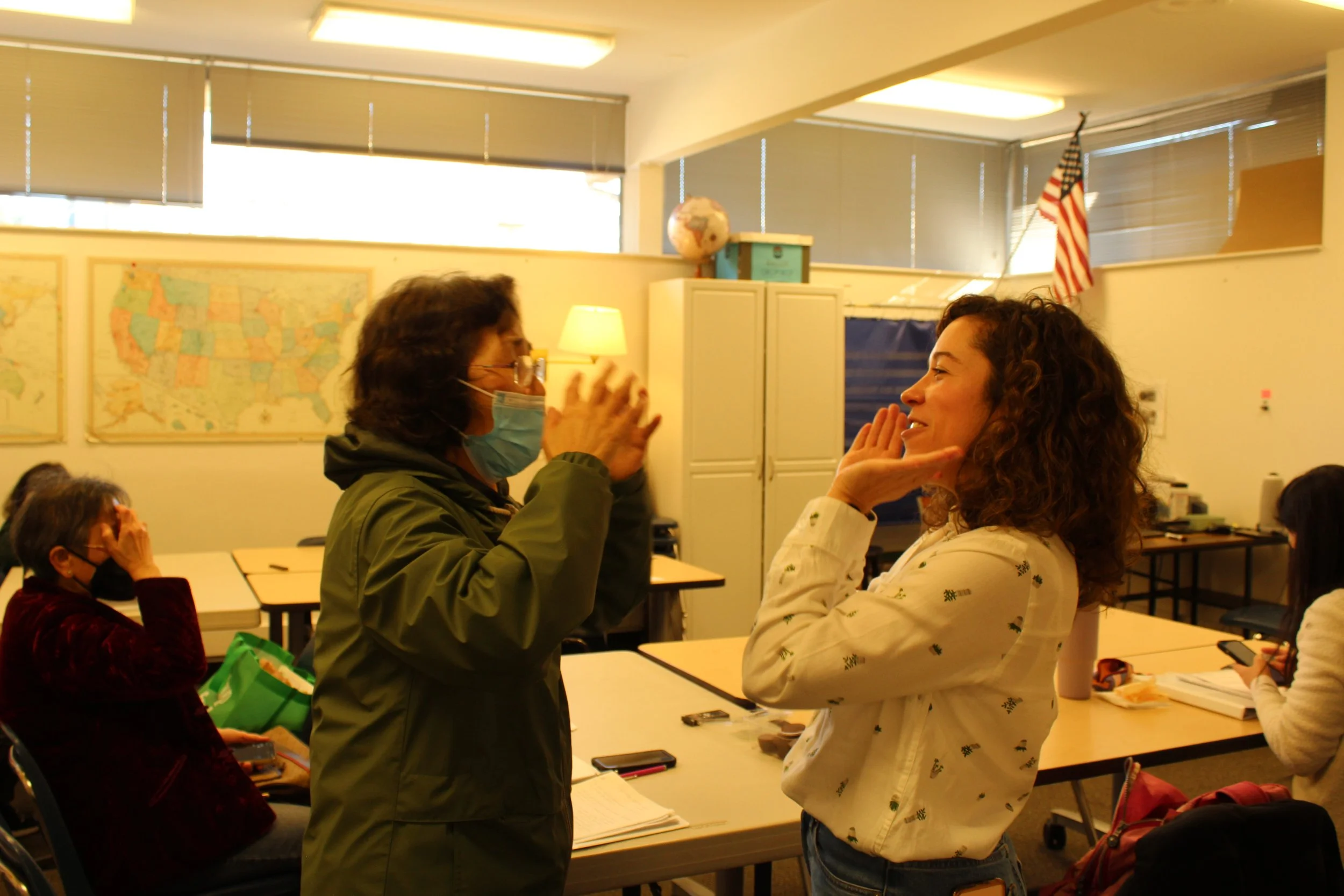
In this episode Cristina and Taiko talk to Sun, with language support from Jiwon. She shares thoughts on how her story of the poor farmer and the blind mother relates to generational misunderstanding in Korea. She describes the difficulty of life in wartime Korea, and discusses the exponential effect of good relationships.
-
Cristina: So, Sun, thank you for being here, and thank you, Jiwoon, for helping us. Sun, do you want to introduce yourself a little bit for people who are going to be listening?
Sun: I grow up small country, not big city, small country. Then, rich person inherit from parents for kids. Then, most people very poor, not education, no basic health education, too.
Sun speaking in Korean
Jiwon: So, she's basically talking about the tale she told about was about like her parents' generation like story, which is like 120 years ago, and she's now 80.
Taiko: Great, yeah can you tell us a little bit more. A little bit more about yourself? How long have you been in Seattle?
Sun: I have been almost 38, 38 yeah. 38 Yeah.
Cristina: Wow.
Sun: Yeah.
Cristina: Long time.
Sun: Long time ago. Yeah. 37. Yeah. Long time.
Cristina: And you were born in 19?
Sun: 46.
Cristina: 46. Okay.
Sun: 46. April.
Taiko: My dad, my dad was born in 1946.
Sun: Oh, hello.
Cristina: My dad was born in 1944.
Sun: Nearly, near.
Cristina: Yeah. Yeah. The same generation, all of us.
Sun: You generation. My first daughter, 53, second daughter, 50, last 50. They are three kids, two girls, one boy.
Taiko: So, you are a grandmother?
Sun: Yeah. Last son, they are three kids. Then married, but last son, they don't like kids. No kids.
Taiko: No kids.
Sun: They don’t want.
Cristina: I like it. The sun. Like your name, by the way, the sun. S-U-N.
Sun: The sun?
Jiwon speaking in Korean
Sun: S-U-N.
Cristina: S-O-U-N.
Sun: S-U-N, first name. Hwa Sunhwa, Sunhwa, H-W-A. Family name, Hur.
Jiwon: Hur.
Sun: Yeah, Hur. Hur, yeah. Hur, they don't pronounciation, the Hur, Hur. Yes. Okay Hur.
Cristina: What does it mean?
Sun: Sunhwa means beautiful flower.
Cristina: Wow.
Sun: Flower. Yeah.
Cristina: Nice.
Sun: Yeah. Long, long time ago, I learned Chinese language, but not used to that, forgot it, little bit. I know just a little bit. My Chinese language is.
Jiwon: So there's a correspondence between.
Sun: Yeah, I learned middle school one week, one time, high school one week, two week, one time. Then college, not four years, just two years of college, finished then my country. So, I was working in hospital long time ago.
Taiko: So you worked in a hospital, Sun, you said?
Sun: Yeah, yeah. Midwife on the help for midwife work.
Taiko: Oh, wow. I didn't know. So you were a midwife helper? You helped midwives in the hospital?
Sun: Yeah, helper.
Taiko: So you saw many babies being born? Yeah. Oh, that's amazing.
Sun: Yeah. My age, incubator, South Korea, just 20.
Taiko: Wow.
Sun: 20, just 20 or 30, incubator.
Cristina: Wow.
Sun: Yeah. Before, I work, I work the midwife for help for work. Yeah.
Cristina: Wow.
Sun: Yeah. My brother, my brother's son, he in incubator, grow up, now 60, maybe 60, 60 years old my, yeah.
Cristina: Wow. Yeah. Is he still in Korea?
Sun: Yeah, yeah, my brother, one weeks ago die, he is 88 years old to die. This month, one weeks ago, I got my brother die. It's a phone, I got it. Wow. One week ago, my brother passed away. Brother's son, incubator.
Cristina: Right. Okay.
Sun: Yeah. Maybe he's 60 year, yeah, around, yeah, I don't remember exactly.
Cristina: Yeah, but he's in Korea?
Sun: Yeah, they are living in Korea, in Busan now.
Cristina: Where is that?
Jiwon: Busan is like a southern.
Sun: Yeah, Korea, yes.
Cristina: South of Seoul.
Jiwon: Southern, it's the second biggest city?
Sun: Yes, it is.
Jiwon: Nearby ocean.
Cristina Wow.
Sun: Maybe five years ago he sick. Four five years ago.
Cristina: Wow.
Sun: After that, die.
Cristina: It’s really hard.
Sun: Yeah, really hard.
Taiko: I'm sorry about your brother Sun.
Sun: I didn't go there.
Taiko: Yeah, it's very far to travel, I'm sure. Well, I think that speaking about like your family and stuff, you said that your grandmother told you this story, is that correct? The story that we were doing that you shared in class was a story that your grandmother told?
Sun: Yeah, grandmother and my mother too, yeah, main grandmother.
Taiko: Can you tell, can you give a short version of the story?
Cristina: And you can say it in Korean if you want. Yeah.
Sun speaking in Korean
Jiwon: So, she talked about that specific tale of Korean because that tale is mostly about like filial son and daughters, which according to like Korean, like a virtue of being filial to their parents, it was like the most important like social virtue during her generation when she was young, during especially during like Korean War, like of being like country like as a whole being really poor, but still like their daughters and sons wanted to be like filial to their parents. And then even during those time of like hardships, they like kind of pretended like they're still hungry, but they pretended they are not in order to not to like concern their parents. They wanted to look out, like care for each other during, especially during those like hard times and like Korean War and before and after Korean War. But she wanted to tell those stories, especially because she think there's like a big difference between like her generations and like younger generations nowadays, that according to her thought that younger generations nowadays in Korea, especially, maybe this is the different thing from America, that we're also having like hardship, like young people are having hard time like finding jobs, and they just don't have like this emotional space to be filial to their parents. And she's also talking about like, the class that she's taking is like law and legislation. Because she wanted to be up to date, even though in her age, like 80s, up to date of like laws and like social issues that's going on in US and Korea. And like, the difference between like younger generations of her age, like back then in Korea and nowadays. And that's why she talked about like a filial son and daughters, especially since she wanted to like emphasize that like virtue.
Cristina: Wow. So much to think about. Earlier, we, we asked, Taiko asked about the, your grandmother, telling you, telling you about these filial relationships, right between the son and the daughter and the parents. Is that something that they taught you?
Jiwon and Sun speaking in Korean
Jiwon: So she's saying that her like Sino-Korean name, which like kind flower, Sunhwa is named by her grandmother. And yes, so she's telling that like her grandmother, she thought that her grandmother was well educated, unlike other like, women in most of the women in Korea, maybe well, more well educated than her grandfather, grandfather. And then definitely, she went, everyone in the family came in for in order to like, do the like rituals and like Confucianism, like rituals. Her grandmother used to tell everyone about those like filial relationships, even for like, granddaughter in laws. Yeah, because she has lived up to like 80s. Yeah.
Cristina: What would the rituals look like?
Jiwon: You have the ritual for like, this is our family do that too. It's like a family tradition of like, on the day of that, like your grandpa or great grandpa dead that everyone gathers and then kind of bow for that, like we have those like foods on the table, then we have their like, pictures. And then bow. Yeah. And memorize that person.
Sun speaking in Korean
Jiwon: So back then, there were a lot of like, illiterate people, especially given like Korean situation. We didn't like back then, we didn't much like use Hangul, which is like Korean native orthography, but which is called Hanmun, which is Sino like Korean words. Most of the like literacy were communicated on the basis of Sino Korean. So there were not much like literate people, but her grandma was one of like, literate, elites, person who knew how to write and read. So a lot of like people from around the town came to her and to ask her for like to a name, a good like a Sino Korean name for their children or ask about some like some of the issues that needs to be like literate in order to solve.
Sun speaking in Korean
Jiwon: So she's talking about like how much it was hard to be like educated, especially as women during the hard time of like Korean war because they had to be stopped in the middle, especially for people from like North Korea.
Sun and Jiwon speaking in Korean
Jiwon: So although like schools and buildings like official buildings were bombed and demolished, that's why like people needed to find like kind of ad hoc. Yeah, it was a really sad time that everyone had to just gather around the mountain to have classes and even for some girls it was really hard for them to stay like hygiene during that like time because there were no like you know like structured education like a health education especially. So that she's what she's basically talking is that she saw some like elder like sisters who came to school with like the blood kind of like shown on their like pants that they just started like during the period like menstruation and then they didn't know what's happening to their body because there was no like health education and then like everyone was like oh you're like you're bleeding like where what's what's wrong with you and then no one really knew like what's happening on their like you know like health. Yeah, and so it was really hard time.
Sun: Then Korean war, very, very sad story. Starving, no clothing.
Taiko: So your grandmother though, so many women, many young girls and women didn't have you know kind of education or weren't able to learn to read and write or didn't have like the health education to understand some of these things but it sounds like your grandmother was a little different like she she was able to she did know how to read and write, yeah? Yeah. Was she she was saying that people would come to her grandmother like with questions sometimes because of this? Is that what I'm hearing?
Jiwon and Sun speaking in Korean
Jiwon: Yes, basically what you're talking about was right. Yeah, especially her family was more educated than like other like just other people. That's why her grandma kind of be was like a bridge between like literate literacy and like people illiterate people and she said that she graduated like she went to a college and especially in those times like people barely finished like middle school and high school was high school education was the yeah it was really hard to go to college but her family were mostly um college educated and even though she dropped out from the second year she she also entered the college and that's how it and then she's from especially from the small countryside maybe the city more like a bigger cities might might have been different but like small countryside especially are there were not much jobs hire, hire people and usually just the small businesses like selling like one or two tofu or like one or two like long bean sprout.
Sun speaking in Korean
So she's talking about like how much like how much um tragedy it is um to have war in one country even before back then like 50 years ago when the like those weapons were not that digitalized but like so that's why basically she talked about this like filial stories of like being filial to like um to be aware of like um be aware of this um like listening to their parents and things like that um how important is that virtue is but like what mostly like younger generations now in Korea are forgetting of and when they're like their grandmother and grandparents their generation try to tell about like how like how tragedy it is to be um in that like war like hardship. She thinks that like they're not trying to like hear from them uh now so that's what she wanted to emphasize by telling this story we should be memorizing that kind of history and hear from more like elder people yeah yeah
Sun speaking in Korean
So she's basically talking about like Korean you know like basically Korean war is an outbreak that um ideologically it's like a war between democracy and like uh cap uh socialism so um thinking like considering of how much tragedy that they have like gone through yeah my older generation has gone through um like younger generation should be more like stay alert in order to like protect our like democracy
Sun speaking in Korean
Cristina: I love it.
Jiwon: Yeah that's yeah that is also in line with what like tale she talked about like being filial and being like you know stay alert by listening to the elder.
Cristina: I love that I love that um and there was something that you said about your grandma being a bridge like she was a bridge is that the expression?
Jiwon: Yeah like between like illiterate people.
Taiko: Because we're talking a little bit about language and different languages and how people have different you know like language abilities. I I think your your grandmother must have told you this story in Korean and then you shared it with us in class in English uh and you told two versions of the story um on the website one in English and one in Korean so you did some translation um do you think your story changes at all depending on what language you use like Korean or English um is the language important for like the teaching the learning in the story?
Jiwon and Sun speaking in Korean
Jiwon: Yeah, what she wanted to um say is that um she didn't really think like deeply about like oh what would be what would it be like how would it be different in telling the same story in English and Korean but uh looking back like she kind of she feels like shameful about like not being that you know um succinct and like more like uh uh more uh deliberately um expressing those stories just like Korean in English because of her like limited um English vocabulary and like English grammar um like ability so she thinks that like it is less detailed in talking um the same story in English she she feels sorry about that but yeah.
Cristina: Don't feel bad about that because today we've just heard so much about this story and about you know life in Korea and these filial relationships so don't feel bad
Jiwon and sun speaking in Korean
Jiwon: Her grandma told her this story in order to like engrave those like virtue of being you know being like really filial to their parents and being tame to their parents and especially to like in school setting being really obeyful to their um to their teachers in order to like emphasize that virtue her she thinks that her grandma told them um this like a folk tale kind of things. So she feels really sad about like current like situations in Korea um that like especially like those like discrepancies between like younger generations and older generations and what they think um important is as like a social value um and she's talking about like a recent situations in Korean education system that like teacher is like the status of teacher is being really not like being respected and not like being each other not being respectful for each other whether it's like adult or to child um and even like there there's some kind of like news of teachers being beaten by their students so she feels really sorry for those yeah students and teachers who are not being respected as a human like humanely
Sun: Yeah my century my age teacher were almost the god yeah then okay no problem very close.
Sun speaking in Korean
Jiwon: So she can't really like understand those um things like happening in recent Korea like not being respectful for a teacher because especially when during her generation like Korean war, like teachers were really um thoughtful about like teacher like really wanted to um help and reach out to those who are suffering from like hunger and starving so she can't just
Cristina: They were closer right?
Jiwon: Yeah they were closer
Sun speaking in Korean
Jiwon: So she’s saying like they couldn't even like sit down before, like teacher in front of teacher. There to sit down before.
Sun: Very respect then
Cristina: Like God, did you say that they were like God before? Yes. Wow. Wow. So that reminds me that maybe more people have to listen to your story to understand what these good relationships are like, right? Yeah. Yeah.
Sun: Very important relationship, small grow, another grow, together country grow, very important.
Sun speaking in Korean
Jiwon: It's really important to have like this one to one relationship to like one to, you know, like bigger communities, which enlarges to like country in order to achieve something. But she's just feel sorry about like nowadays, there is no such a connection between us a community. Just like...
Sun speaking in Korean
Jiwon: So especially when it comes to like, individuals like hardship, which also connects to nation’s hardship, like she thinks like being connected to each other and being able to help each other. So in the same line, she thinks like a lot of like people who's teaching here, the class she takes are volunteer volunteering people so she's being thankful to them like in considering that those like small helps stacks up to become a big power. And then she is thinking of like later she could, you know, donate or be helpful with any other like type of help. She also wanted to be help to the community.
Cristina: Wow.
Taiko: Yeah, I think that's our, a big hope about our project to, is that building different relationships like individual and personal relationships with people through storytelling and through language that those small relationships, build a build like you said stack on top of each other as well. I think that's our hope to with this project.
-
크리스티나: 선 씨, 와 주셔서 감사합니다. 지원 씨도 도와주셔서 고마워요. 선 씨, 앞으로 이 팟캐스트를 들으실 분들을 위해 간단히 자기소개 좀 해 주시겠어요?
선: 저는 작은 나라에서 자랐어요, 큰 도시가 아니라 작은 나라요. 부자들은 부모님으로부터 자식들에게 상속하죠. 그래서 대부분의 사람들은 매우 가난하고, 교육도 받지 못하며, 기본적인 보건 교육도 받지 못했어요.
선 씨가 한국어로 말함
지원: 그러니까 그녀가 말한 이야기는 기본적으로 부모님 세대 이야기인데, 약 120년 전 이야기고, 그녀는 지금 80세예요.
태코: 좋아요, 그럼 본인에 대해 조금 더 말씀해 주실 수 있나요? 시애틀에 얼마나 계셨나요?
선: 거의 38년, 38년 맞아요. 38년 맞아요.
크리스티나: 와.
선: 네.
크리스티나: 오래됐네요.
선: 오래됐어요. 네. 37년. 네. 오래됐어요.
크리스티나: 그럼 1900년대에 태어나셨어요?
썬: 1946년.
크리스티나: 46년. 알겠어.
선: 46년. 4월.
타이코: 우리 아빠, 우리 아빠도 1946년생이에요.
선: 아, 안녕하세요.
크리스티나: 우리 아빠는 1944년생이에요.
선: 거의 비슷하네요.
크리스티나: 네. 네. 우리 모두 같은 세대예요.
선: 당신 세대. 내 첫째 딸은 53살, 둘째 딸은 50살, 막내는 50살이야. 아이들은 셋인데, 딸 둘에 아들 하나야.
타이코: 그럼 할머니시군요?
썬: 네. 막내 아들이…저는 세 아이를 두었어요. 그런데 결혼은 했는데 막내 아들은 아이를 좋아하지 않아요. 아이가 없어요.
타이코: 아이가 없군요.
선: 원하지 않아요.
크리스티나: 마음에 들어요. 태양. 그런데 말이에요, 당신 이름처럼 태양. S-U-N.
선: 해?
지원이 한국어로 말함
선: S-U-N.
크리스티나: S-O-U-N.
선: S-U-N, 이름. 화 선화, 선화, H-W-A. 성은 허.
지원: 허.
선: 네, 허. 허, 네. 허, R로는는 발음 안 해요, 허, 허. 네. 알겠어 허.
크리스티나: 무슨 뜻이에요?
선: 선화는 아름다운 꽃이란 뜻이야.
크리스티나: 와.
선: 꽃. 그래.
크리스티나: 멋지네요.
선: 응. 아주 오래전에 중국어를 배웠는데, 자주 쓰지 않아서 조금 잊어버렸어. 조금만 알아. 내 중국어(한자) 실력은.
지원: 그러니까 일치하는 부분이 있네요.
선: 응, 중학교 때 일주일, 한 번, 고등학교 때 일주일, 2 주에, 한 번 배웠어. 그리고 대학은 4년이 아니라, 그냥 2년만 다녔어, 그 후엔 내 나라에서. 그래서, 오래전에 병원에서 일했었어.
태코: 선 씨, 병원에서 일하셨다고요?
선: 네, 네. 조산사 보조로 조산사 일을 도왔어요.
타이코: 오, 와. 몰랐네. 그래서 산파 보조였어요? 병원에서 산파들을 도왔다는 거죠?
선: 네, 보조요.
타이코: 그럼 아기가 태어나는 걸 많이 봤어요? 네. 와, 정말 대단하네요.
선: 응. 내 나이가, 인큐베이터, 한국에서, 겨우 20살이었어.
타이코: 와.
선: 20살, 겨우 20살이나 30살이었어, 인큐베이터.
크리스티나: 와.
선: 응. 예전에 일할 때, 조산사 일을 도왔어. 응.
크리스티나: 와.
선: 응. 내 동생, 내 동생 아들이 인큐베이터에 있었어. 자라서 지금은 60살, 아마 60살, 내 동생이 60살이야, 응.
크리스티나: 와. 그래요. 아직 한국에 있어요?
선: 응, 응, 내 오빠가, 일주일 전에 죽었어, 88살로 죽었어. 이번 달, 일주일 전에, 오빠가 죽었다는 연락을 받았어. 전화로 받았어. 와. 일주일 전에 내 오빠가 세상을 떠났어. 인큐베이터에 있었던 오빠 아들이 연락했지.
크리스티나: 그래. 알겠어.
선: 네. 아마 60살쯤 됐을 거예요, 네, 그쯤, 네, 정확히 기억은 안 나요.
크리스티나: 그래, 근데 그분 한국에 계신 거야?
선: 네, 지금 부산에 살고 있어요.
크리스티나: 거기가 어디예요?
지원: 부산은 남쪽에 있는 곳이에요.
선: 응, 한국, 맞아.
크리스티나: 서울 남쪽이네.
지원: 남쪽이지, 아마 두 번째로 큰 도시죠?
선: 네, 맞아요.
지원: 바다 근처에 있죠.
크리스티나: 와.
선: 아마 5년 전쯤 아팠어요. 4, 5년 전쯤.
크리스티나: 와.
선: 그 후로 돌아가셨어
크리스티나: 정말 힘들겠네요.
선: 응, 정말 힘들어.
타이코: 오빠 일로 정말 안타깝네요, 선.
선: 거기 안 갔어.
타이코: 그래, 거리가 아주 멀겠지. 음, 가족 이야기 같은 걸 말하자면, 선의 할머니가 이 이야기를 해주셨다고 했죠? 수업 시간에 나눈 그 이야기가 선의 할머니가 해주신 이야기였어요?
선: 네, 할머니랑 엄마도 같이, 네, 주로 할머니가 해주셨어요.
타이코: 그 이야기, 간단히 요약해서 들려줄 수 있을까요?
크리스티나: 원하시면 한국어로 말씀하셔도 돼요. 네.
선: (한국어로 이야기함)
한국은 부모를 굉장히 살폈어요. 내 목숨보다도 부모 목숨을 더 아끼는 경우가 많았고, 특히 그때는 6.25 사변 이후여서 나는 배부른 척을 하고 음식을 부모에게 드릴 정도로 부모를 많이 섬겼어요. 그래서 내가 그걸 강조한 거예요. 한국이나 미국이나 똑같이, 돈이 많아도 자식에게 주면 자식이 다시 거들떠보지 않는 그런 것들. 한국이 미국보다 세대 갈등이 더 심한 것 같아요. 부모가 자식들을 생각하는 것을 젊은 세대가 악용해서 상속에 대한 법이 다시 개정되고 하는 것 같아요.
지금 나이는 많지만 영어, 한국어 할 것 없이 세상 돌아가는 것을 알아야 할 것 같아서 수업을 듣고 있어요.
지원: 그래서 그녀가 그 특정 한국 이야기를 언급한 건, 그 이야기가 주로 효도하는 아들딸에 관한 내용이기 때문이에요. 한국인들에게 부모에게 효도하는 덕목은, 특히 그녀가 젊었을 때, 특히 한국전쟁 당시처럼 나라 전체가 정말 가난했지만 여전히 아들딸들이 부모에게 효도하고 싶어 했던 그 세대에는 가장 중요한 사회적 덕목이었거든요. 그리고 그런 어려운 시기에도 그들은 배고프다고 말하지 않고 참았어요. 부모님을 걱정시키지 않으려고요. 특히 한국전쟁 전후로 힘든 시절에 서로를 돌보고 보살피고 싶어 했죠. 하지만 그녀는 특히 자신의 세대와 요즘 젊은 세대 사이에 큰 차이가 있다고 생각해서 이런 이야기들을 전하고 싶어 했습니다. 그녀의 생각에 따르면, 특히 한국 젊은 세대는 미국과 달리 어려움은 겪고 있지만(젊은이들의 취업에 어려움을 겪는 등), 부모님께 효도할 만한 정서적 여유가 없다는 점이 다르다고 합니다. 또한 그녀가 수강 중인 과목이 법과 입법 관련이라고 말했습니다. 80대 고령임에도 미국과 한국의 법률 및 사회 문제에 대해 최신 정보를 알고 싶어했기 때문입니다. 그리고 그녀가 살던 시절 한국의 젊은 세대와 지금의 젊은 세대 사이의 차이점도 이야기했어요. 그래서 그녀가 특히 효도하는 아들딸에 대해 이야기한 건, 그 덕목을 강조하고 싶었기 때문이죠.
크리스티나: 와, 생각할 게 정말 많네요. 아까 타이코가 할머니께서 효도 관계, 특히 부모와 자녀 사이의 효도에 대해 말씀하셨다고 묻더군요. 그런 가르침을 받으셨나요?
지원과 선이 한국어로 대화
선: 할머니가 옛날에 조금 배우신 분이었던 것 같아요. 그래서 한문을 쓰시면서, 제 이름도 할머니가 지어 주셨어요. 애를 낳으면 어떻게 해야 된다, 며느리, 손주 며느리까지 가르쳐주신 것 같아요.
그리고 누가 오면 그 사람에 대해 얘기해줄 만한 것들, 그리고 유교사상이 잇어서 제사지내는 것들도 관장하시고 했던 것 같아요.
지원: 할머니가 선화라는 한자 이름을 지어주셨다고 하네요. 예, 할머니가 다른 한국 여성들, 특히 할아버지보다 더 교양 있으셨다고 생각하셨대요. 그리고 분명히 할머니는 가족 모두가 모여서 유교 사상이 깃든 제사 의식 같은 걸 하도록 하셨대요. 할머니는 손녀 사위에게까지 효도 관계에 대해 이야기하셨대요. 네, 할머니가 80대까지 사셨으니까요. 네.
크리스티나: 의식은 어떤 모습이었나요?
지원: 우리 가족도 그런 의식을 해요. 가족 전통 같은 거죠. 할아버지나 증조할아버지가 돌아가신 날에 모두 모여 절을 하고, 식탁에 음식도 차려놓고, 사진도 모시고 절을 해요. 그리고 그분을 기억하죠.
선: 한국어로 말함 우리 할머니가 책을 많이 보시더라고, 그 시절에도. 그때 금테 안경은 아무나 안 쓰거든. 이만한 상을 갖다놓고, 이름 지어달라고 하면 집안에 내려오는 돌림으로 짓는, 미국의 junior, 1대 2대 하는 것처럼. 동네에 못 배운 사람들이 많으니까 무슨 일이 있으면, 아니면 글 모르는 사람이 많으니까 그 때마다 할머니를 찾아 왔던 것 같애.
지원: 그 당시엔 특히 한국 상황상 문맹인 분들이 많았어요. 우리도 그땐 한글을 별로 안 썼거든요. 한글은 한국 고유의 표기법인데, 한문이라고 불리는 한자식 한국어를 주로 썼죠. 대부분의 문해력은 한자식 한국어를 기반으로 소통됐어요. 그래서 문맹자가 많았지만, 선 씨의 할머니는 글을 읽고 쓸 줄 아는 문맹이 아닌 엘리트 계층에 속했어요. 그래서 마을 사람들이 할머니를 찾아와 아이들에게 좋은 한자 이름을 지어 달라고 부탁하거나, 해결하려면 글을 알아야 하는 문제들에 대해 상담하곤 했죠.
선 씨의 한국어 발언 내 나이에 2년을 돈 관계로 졸업을 못했어요. 그 시절에는 공부를 많이 오래 가르치지 않았어요. 많이 개화됐다고 해도, 중학교나 국민학교 6 학년 정도. 이북에서 오고 막 그래서 그 때 학교를 가는 나이도 다 달랐어. 그때는 우리 생리같은 보건 교육도 안돼있을 때니까. 뒤에 피묻었어 이렇게 알려주고 그랬다니까. 언니 뒤에서 피나와 이러면, 그 사람도 이게 뭔지 잘 모르는거야. 옛날에는 이걸 한문으로 경도라고 그랬어. 이걸 어른 된다는 표로 그랬던거지.
지원: 그래서 선 할머니가 지금 교육받는 게 얼마나 힘들었는지 이야기하는 거예요, 특히 한국전쟁 같은 어려운 시절에 여성으로서요. 전쟁 중간에 학업을 중단해야 했으니까요, 특히 북한 출신 사람들에게는 더더욱 그랬죠.
선과 지원, 한국어로 대화 포탄맞아서 학교도 별로 없으니까. 부잣집에 창고? 임시로 하고 그랬어요.
우리가 읍인데, 성환국민학교라고, 평택 밑에 우리는 다행히 폭탄을 안맞아서 보자기를 싸서, 여름에는 그늘진 데서 수업하고 그랬지만. 아주 더운 날은 벼 창고 이런데서 수업하고 , 경기도 38선 근처에 전투 있었던 학교에서는 그랬다고 그랬더라고. 참 비참했어요.
지원: 그래서 학교나 건물 같은 공식 건물들이 폭격당하고 파괴됐기 때문에 사람들이 임시변통으로 장소를 찾아야 했어요. 정말 슬픈 시기였죠. 모두가 산에 모여 수업을 받아야 했고, 특히 일부 여자아이들은 그 시절 위생 상태를 유지하기가 정말 어려웠어요. 체계적인 교육, 특히 보건 교육 같은 게 전혀 없었으니까요. 그녀가 말하고자 하는 건, 학교에 온 언니들 중 생리 기간이 시작되면서 바지에 피가 묻어 나온 걸 본 경험이 있다는 거예요. 그런데 보건 교육이 없었기 때문에 자기 몸에 무슨 일이 일어나는지 몰랐죠. 그러면 모두가 "너 왜 피가 나?"라고만 했고, 아무도 건강 상태가 어떻게 되는지 제대로 알지 못했어요. 그래서 정말 힘든 시기였어요."뭐가 문제야?"라고 말했지만, 실제로 무슨 일이 벌어지고 있는지 아무도 몰랐어요. 건강에 관한 그런 것들 말이죠. 네, 그래서 정말 힘든 시기였어요.
선: 그러다 한국 전쟁이 터졌어요. 정말, 정말 슬픈 이야기죠. 굶주림에, 입을 옷도 없었어요.
태코: 그런데 할머니는, 많은 여성들, 특히 어린 소녀들과 여성들은 교육을 받지 못했거나 글을 읽고 쓰는 법을 배우지 못했거나 이런 것들을 이해할 수 있는 건강 교육을 받지 못했잖아요. 그런데 할머니는 조금 달랐던 것 같아요. 글을 읽고 쓸 줄 아셨다고요?
선: 네.
타이코: 그래서 사람들이 할머니께 이런 문제로 질문하러 오곤 했다고 말씀하신 건가요? 제가 들은 게 맞나요?
지원과 선이 한국어로 대화 읍내에 일이 별로 없어요. 읍장, 면장, 선생님, 술도가, 양조장, 작은 식료품점, 옷가게 몇, 아주 큰도시 빼고는 평균적으로 그랬죠. 닷새에 한 번씩 장이 서서 서로 팔고 했지, 요즘과 다르게 사람들이 돈도 시간도 없으니까, 활발히 경제활동을 할 수가 없었지.
지원: 네, 기본적으로 말씀하신 게 맞아요. 특히 할머니 가족은 다른 사람들보다 교육 수준이 높았거든요. 그래서 할머니가 문맹인 사람들과 문맹이 아닌 사람들 사이의 가교 역할을 하셨대요. 그리고 할머니가 대학을 졸업하셨다고 하셨는데, 특히 그 시절엔 사람들이 중학교를 겨우 마치고 고등학교는 거의, 고등학교 교육이 전부였으니까 대학에 가는 게 정말 어려웠잖아요. 그런데 할머니 가족들은 대부분 대학 교육을 받으셨고, 비록 2학년 때 중퇴하셨지만 할머니도 대학에 입학하셨고요. 그리고 그녀는 특히 작은 시골 출신인데, 큰 도시라면 좀 달랐을지 모르지만 작은 시골, 특히 그녀가 있던 곳은 일자리가 별로 없었어요. 고용하는 사람도 거의 없고, 보통 작은 가게에서 두부 한두 모나 콩나물 한두 개를 파는 정도였죠.
선 씨가 한국어로 말함
제일 무서운게 전쟁이에요. 젊은 사람들은 잘 모르지만, 전쟁의 비참함은 말도 못해요. 반의 20프로는 밥을 못 싸왔어요. 한국이 너무 빨리 급속도로 성장을 했기 때문에, 우리가 이런 얘기를 해도 들으려고 안해요. 입을 삐죽대면서, 지금의 찬란한 케이팝, 뭐라고 그러는데 만약 북쪽에서 전쟁을 시작하려 한다면, 정말 무서울거야. 보수 정권에서 그나마 정권을 잡아야 돼요. 전쟁을 젊은 사람들이 몰라서 그래. 공산주의로 가면 안되는 건데. 그때 재래식 무기로도 그렇게 무서웠는데 지금 나면 얼마나 무서워.
그래서 그녀가 말한 건, 한 나라에 전쟁이 일어나는 게 얼마나 비극적인 일인지에 대한 거였어. 50년 전처럼 무기들이 디지털화되지도 않았던 시절에도 말이야. 그래서 그녀가 기본적으로 이런 효도 이야기, 즉 부모님께 효도하고, 부모님의 말씀을 경청하는 것 같은 덕목이 얼마나 중요한지 이야기한 거예요. 하지만 지금 한국의 젊은 세대들은 대부분 이런 걸 잊어버리고 있어요. 할머니나 할아버지 세대가 전쟁 같은 고난 속에서 살아온 게 얼마나 비극적인 일인지 이야기하려 해도 말이죠. 그녀는 젊은 세대가 이제 그 이야기를 듣기조차 꺼린다고 생각해요. 그래서 이 이야기를 통해 강조하고 싶었던 건, 그런 역사를 기억하고 더 많은 어른들의 이야기를 들어야 한다는 거죠. 네, 네.
선 씨가 한국어로 말함
그녀가 말하고자 하는 건 한국 전쟁이 이념적으로 민주주의 대 사회주의의 전쟁이었다는 점이에요. 그들이 겪은 비극을 생각해보면, 젊은 세대는 민주주의를 지키기 위해 더 경계해야 한다는 거죠.
선, 한국어로 말함
크리스티나: 정말 좋은 말이에요.
지원: 네, 그건 그녀가 말한 효도나 어른의 말을 경청하며 경계하라는 이야기와도 일맥상통하네요.
크리스티나: 정말 좋아요, 정말 좋아요. 그리고 할머니가 다리 역할을 하셨다는 말씀, 그게 표현이었나요?
지원: 네, 문맹인 사람들 사이에서요.
타이코: 우리가 언어와 다양한 언어, 그리고 사람들이 서로 다른 언어 능력을 가진다는 이야기를 조금 하고 있잖아요. 할머니께서 이 이야기를 한국어로 해주셨을 텐데, 수업에서는 영어로 공유하셨잖아요. 그리고 웹사이트에는 영어 버전과 한국어 버전 두 가지로 올리셨는데, 번역도 하셨네요. 언어에 따라 이야기의 의미가 달라진다고 생각하시나요? 한국어와 영어 중 어느 언어로 전달하느냐에 따라 가르침이나 배움에 중요한 차이가 있다고 보시나요?
지원과 선이 한국어로 대화
그 때는 이렇게까지는 생각을 깊이 안했고, 할머니가 가르쳐주신 대로 전했죠. 영어 실력이 부족하니까 한국어로 지금처럼 상세하게는 못했죠. 정확하게 표현을 잘 못했다고 이분들한테 전해 주세요.
지원: 네, 그녀가 말하고 싶었던 건... 음... 그녀는 영어로 같은 이야기를 전할 때 어떤 차이가 있을지 깊이 생각해보진 않았어요. 하지만 돌이켜보면, 영어 어휘와 문법 실력이 부족해서 한국어로 이야기할 때처럼 간결하고 의도적으로 표현하지 못한 게 좀 부끄럽다고 하시네요. 그래서 영어로 같은 이야기를 전할 때 덜 상세하게 전달된 것 같다고 생각해요. 그 점에 대해 미안해하고 있어요.
크리스티나: 그런 거로 자책하지 마세요. 오늘 우리가 이 이야기와 한국에서의 삶, 그리고 이런 효도 관계에 대해 정말 많이 들었잖아요. 그러니까 자책하지 마세요.
지원과 선이 한국어로 대화 중
한국식하고 영어 문법이 많이 달라서 얼마나 정확하게 전달됐는지 모르겠어.
첫째 부모 말 잘 듣고, 선생님 말에 복종하고 그런게 중요했던 때라서, 이런 가치를 보충해주기 위해 할머니가 이야기로 더 강조하셨던 것 같아.
지원: 그래서 그녀는 영어 문법이나 어휘가 완벽하지 못하다는 점에 대해 미안해하고 있어요. 그리고 할머니께서 이런 이야기를 해주셨는데, 부모님께 효도하고 순종하는 덕목, 특히 학교에서는 선생님께 정말 순종하는 모습을 강조하기 위해서였죠. 할머니께서 이런 민담 같은 이야기를 해주신 것 같아요.
그래서 그녀는 특히 젊은 세대와 노년 세대 사이의 괴리 같은, 한국 사회에서 현재 벌어지고 있는 상황들에 대해 정말 슬퍼해요. 그들이 중요하게 생각하는 사회적 가치에 대한 괴리 말이에요. 그녀는 최근 한국 교육 시스템에서 벌어지는 상황들, 예를 들어 교사의 지위가 존중받지 못하고, 어른이든 아이든 서로를 존중하지 않는 현상에 대해 이야기하고 있어요. 심지어 교사들이 학생들에게 폭행당하는 뉴스 같은 것도 있잖아요. 그래서 그녀는 인간으로서 존중받지 못하는 그런 학생들과 교사들에게 정말 안타까워해요.어른이든 아이든 서로 존중하지 않는다는 거죠. 심지어 학생들에게 폭행당하는 교사들에 관한 뉴스도 있다고 해요. 그래서 그녀는 인간으로서 존중받지 못하는 학생들과 교사들이 정말 안타깝다고 생각해요.
선: 네, 제 세대, 제 나이대엔 선생님이 거의 신이었어요. 네, 알겠어요. 문제없어요. 아주 가까웠죠.
선: 한국어로 말함
지원: 그래서 그녀는 최근 한국에서 벌어지는 그런 일들, 특히 선생님에 대한 존중이 사라진 현상을 이해할 수 없어요. 특히 그녀 세대, 한국전쟁 당시에는 선생님들이 정말 배려심이 깊었고, 굶주림에 시달리는 이들을 돕고 손을 내밀고 싶어 했거든요. 그래서 그녀는 그냥...
크리스티나: 더 가까웠죠?
지원: 네, 더 가까웠어요
선, 한국어로 말함
지원: 그래서 예전엔 선생님 앞에서 앉는 것조차 못 했다고 하시네요. 예전엔 선생님이 앉기 전에 먼저 앉는 게 안 됐다고.
선: 그때는 정말 선생님에 대한 존중이 있었어요
크리스티나: 세상에, 아까 그들이 신 같다고 했어? 맞아. 와. 와. 그러니까 이런 좋은 관계가 어떤 건지 이해하려면 더 많은 사람들이 당신의 이야기를 들어야 할 것 같아요, 그렇지요? 맞아. 맞아.
선: 아주 중요한 관계야, 작은 성장, 또 다른 성장, 함께 나라가 성장하는 거야, 아주 중요해.
선: 한국어로 말함
하나하나가 모여서 공동 선을 이루는 것을, 내가 큰 도움이 못 되더라도, 생각을 해요.
지원: 뭔가를 이루기 위해선 이런 일대일 관계가 정말 중요해요. 그게 더 큰 공동체로, 나아가 나라 전체로 확장되는 거죠. 하지만 그녀는 요즘 우리 공동체 사이에 그런 연결이 없다는 걸 안타까워해요. 마치...
선, 한국어로 말함
지원: 특히 개인의 어려움 같은 경우, 그건 국가의 어려움과도 연결되잖아요. 서로 연결되어 있고 서로 도울 수 있어야 한다고 생각해요. 같은 맥락에서, 그녀는 여기서 가르치는 많은 사람들, 그녀가 듣는 수업의 강사들이 자원봉사자라는 점을 생각하며 그들에게 감사해해요. 그런 작은 도움들이 모여 큰 힘이 된다는 점을 고려해서요. 그리고 나중에 그녀도 기부하거나 다른 형태의 도움으로 기여할 수 있을 거라고 생각하고 있어요. 그녀 역시 공동체에 도움이 되고 싶어 했어요.
크리스티나: 와.
타이코: 네, 그게 바로 우리 프로젝트의 큰 희망이에요. 스토리텔링과 언어를 통해 사람들과 개인적이고 친밀한 관계를 쌓아가는 거죠. 그런 작은 관계들이 쌓여서, 말씀하신 것처럼 서로를 지탱해 주는 거라고 생각해요. 그게 바로 이 프로젝트를 통해 이루고자 하는 우리의 희망 사항항입니다.